Honduras Strengthens Early Detection of Health Threats with New Fleet for Surveillance and Biological Sample Transport
Published on: Wednesday 23 September 2026
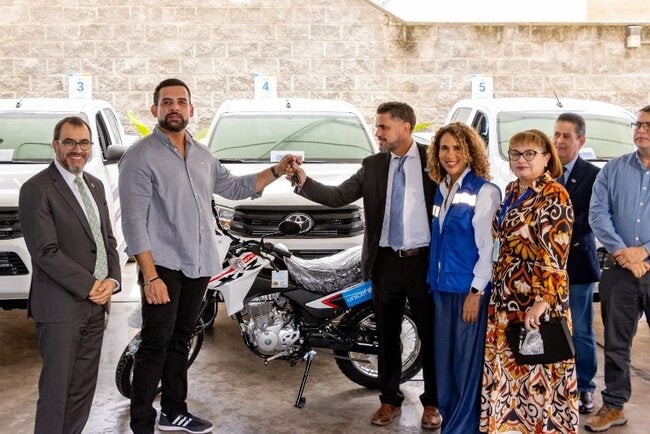 13 vehicles and 54 motorcycles strengthen Honduras’ capacity to detect and respond to health threats The addition of 13 vehicles and 54 motorcycles will expedite the transport of biological samples and expand health surveillance in hard-to-reach areas. The acquisition was made possible through a Pandemic Fund grant awarded to Honduras. Tegucigalpa, Honduras, September 24, 2026. Detecting a health threat early can make the difference between containing an outbreak and confronting a larger-scale emergency. With this objective, Honduras has added 13 four-wheel-drive (4x4) vehicles and 54 all-terrain motorcycles to strengthen disease surveillance and the safe transport of biological samples. Honduras secured a grant from the Pandemic Fund to strengthen its capacities for preventing, detecting, and responding to health threats. The vehicles and motorcycles were acquired using resources from that grant. UNICEF procured the equipment as an implementing entity, in coordination with national institutions and the Pan American Health Organization/World Health Organization (PAHO/WHO), which is also involved in implementing the project. “These vehicles will enable the timely and safe transportation of biological samples, a critical link that determines how quickly the health system can act in the face of a threat,” said Dr. Eduardo Midence, Vice Minister of Integrated Health Service Networks at the Ministry of Health. During the first year of the project financed through the Pandemic Fund grant awarded to Honduras, 102 surveillance sites have been strengthened, the diagnostic capacity of 46 laboratories has been expanded, and more than 550 professionals have been trained in pandemic preparedness and epidemiological surveillance. These achievements have been made possible through the participation of national institutions and the technical cooperation of PAHO/WHO and UNICEF.
RELATED NEWS